
Running injuries rarely come from nowhere — they’re usually the result of training load, strength deficits, or biomechanics catching up with you after weeks or months of accumulated stress. Around half of recreational runners will experience an injury serious enough to disrupt training in any given year, with the knee and hip the most commonly affected areas. Our physiotherapists assess running-related pain with an eye on load management and movement quality, not just the sore spot itself — because treating the symptom without addressing the cause is why so many running injuries keep coming back.
Understanding running injuries
Running places repetitive load through the lower limb — each foot strike can generate forces several times body weight, repeated thousands of times per session. Most running injuries are therefore “overuse” injuries: the tissue simply hasn’t had time to adapt to the load being placed on it. This is why how quickly training load increases matters more than the absolute volume.
Common causes we assess
- Training load spikes — research shows a 30% increase in weekly running distance raises injury risk by 64%; doubling your longest run more than doubles it
- Strength deficits — particularly through the calf, hip abductors, and glutes, which are heavily loaded during running gait
- Biomechanical factors — cadence, foot strike pattern, and hip control can all contribute, though rarely in isolation
- Insufficient recovery — inadequate sleep, nutrition, or rest between hard sessions
- Returning too quickly after a break, illness, or previous injury without rebuilding capacity first
Common running injuries we treat
- Shin splints (medial tibial stress syndrome) — pain along the inner shin, common with rapid load increases
- Achilles tendinopathy — load-related Achilles pain, often worse at the start of a run and after rest
- Runner’s knee (patellofemoral pain) — an ache around the kneecap, aggravated by hills, distance, and stairs
- ITB syndrome — outer knee or hip pain, often related to hip and glute control
- Plantar fasciopathy — heel or arch pain, worse with first steps in the morning
- Stress fractures — a more serious overuse injury requiring a structured, staged return to load
Our evidence-based approach
The strongest evidence for preventing and managing running injuries points to structured, supervised load management rather than passive treatment alone — a meta-analysis of prevention programs found supervised interventions were significantly more effective, likely due to better compliance and progression. Our approach includes:
- Assessment of your specific injury, training history, and recent load changes
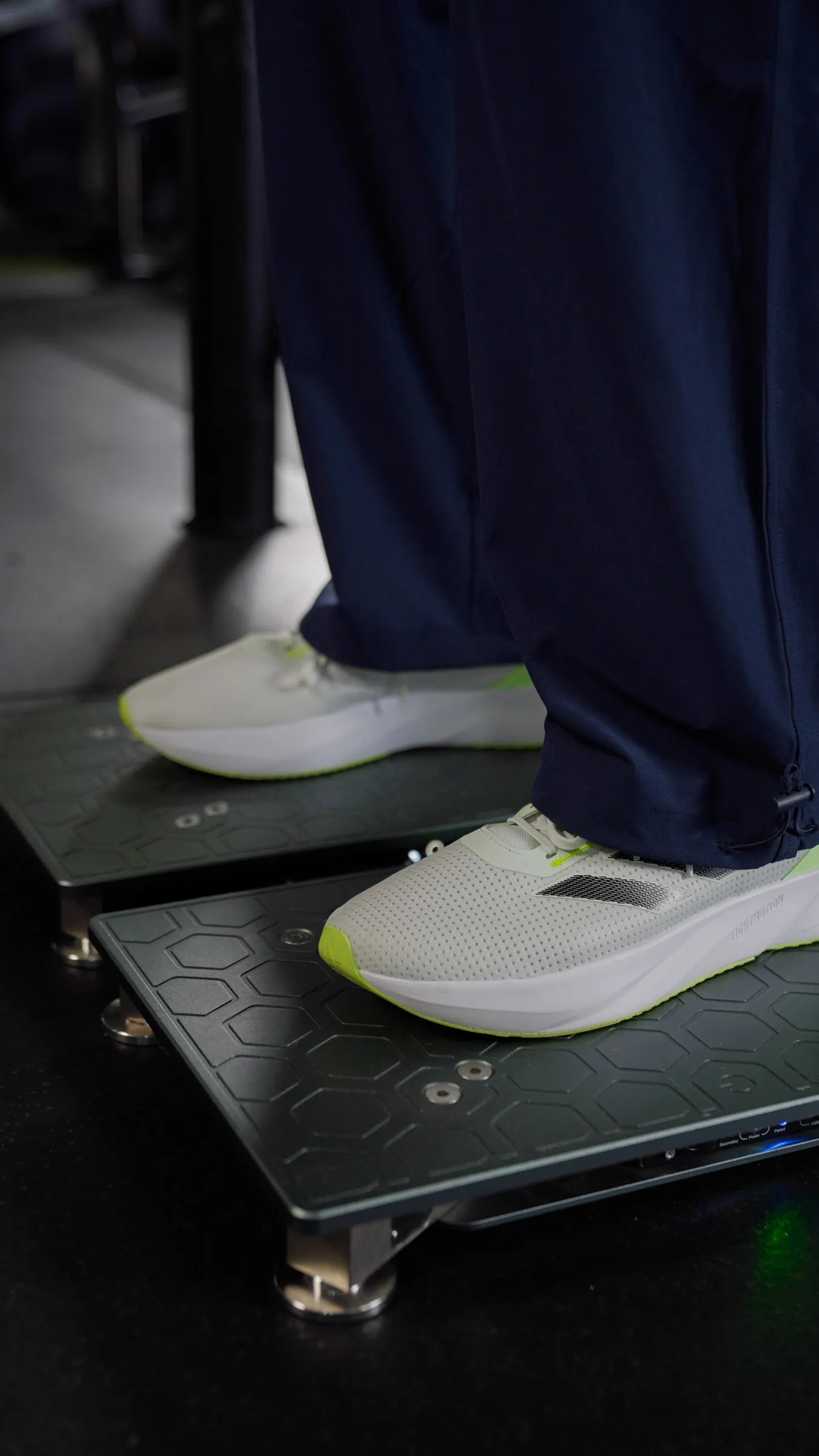
- Objective strength testing to identify deficits contributing to your injury, using VALD performance testing
- A graded return-to-running program, adjusting volume and intensity in line with evidence-based load progression principles (avoiding the “too much, too soon” pattern most injuries share)
- Targeted strength work addressing calf, hip, and glute capacity relevant to running demands
- Ongoing load monitoring so future training increases stay within a safe range
What to expect: recovery timeline
- Mild shin splints or early tendinopathy: often settle within 2–4 weeks of load modification and targeted strengthening
- Established Achilles or patellar tendinopathy: typically needs 3–6 months of progressive loading for lasting change
- Stress fractures: a longer, staged return to load over 2–4 months depending on location and severity
- Recurrent injuries: usually benefit from an injury prevention screen to address the underlying capacity or biomechanical factor before ramping training back up
When to seek help
See us promptly if pain is present at rest (not just during running), you’re altering your gait to compensate, or pain has persisted beyond two weeks despite reduced load. Earlier assessment means a shorter path back to full training.