
Olympus Lifestyle Co

Service

Taping

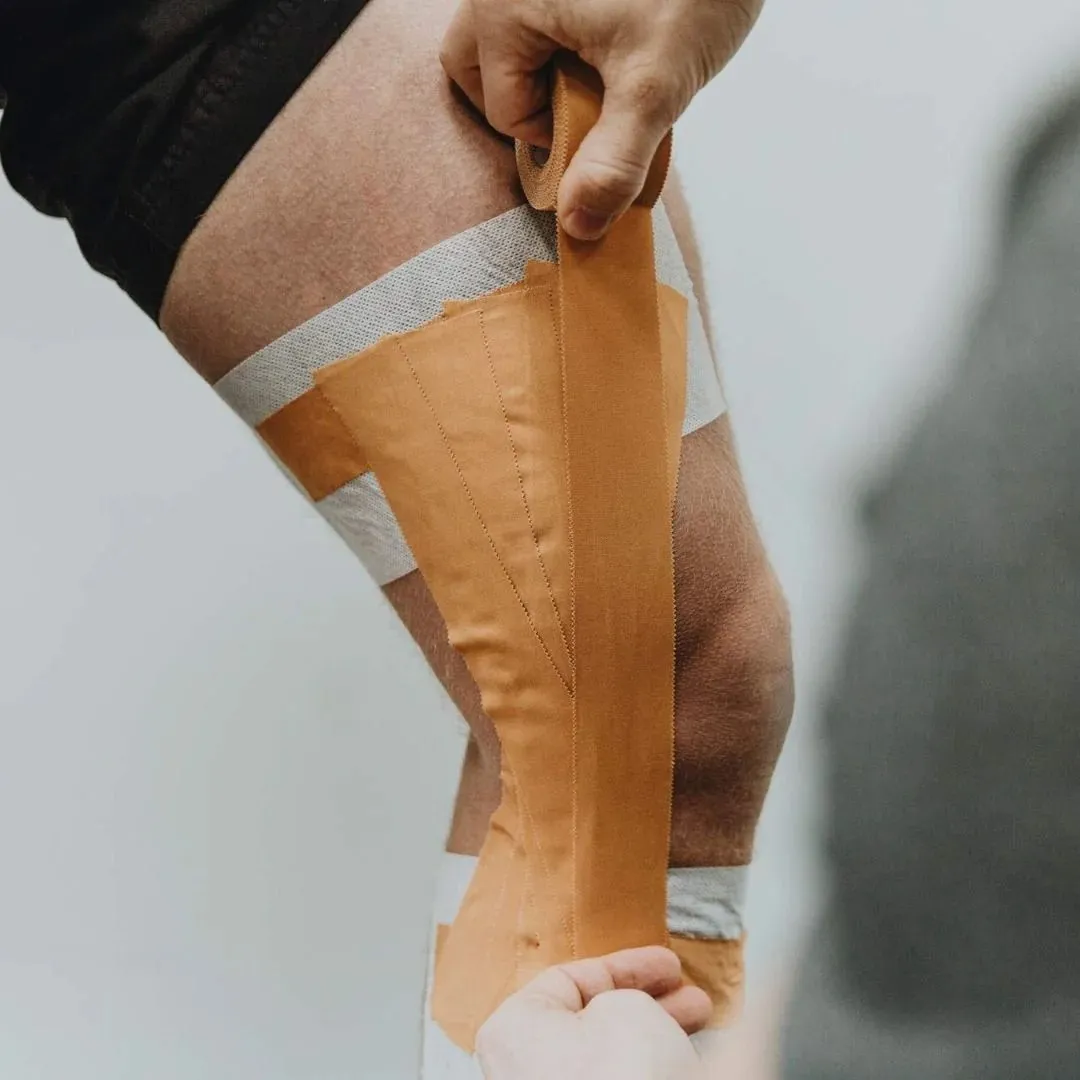
Supportive taping and strapping for injury protection, load management, and confidence in movement during training, work, or competition.

Taping at Olympus Lifestyle Co

Whether it’s supporting an ankle through pre-season training or providing proprioceptive feedback for a recovering shoulder, taping and strapping is a simple, practical tool used to protect injuries and support confident movement while the underlying issue is being properly addressed.

When taping is useful

  • Ankle, knee, and shoulder support during sport, particularly for athletes managing a niggle through a competitive season
  • Load management for tendon and joint-related niggles, reducing stress on a specific structure during activity
  • Proprioceptive feedback during rehabilitation, helping retrain awareness and control around an injured joint
  • Confidence during return to sport, particularly in the period between finishing formal rehabilitation and full unrestricted training

Types of taping we use

  • Rigid strapping tape — firmer support, typically used to help limit a specific risky movement (such as ankle inversion) during high-demand activity
  • Kinesiology tape — more flexible, generally used for proprioceptive feedback and mild support rather than restricting movement

Important context

Taping is generally used alongside — not instead of — a proper rehabilitation plan. It can be a genuinely useful bridge while you’re working through an active treatment program for conditions like ankle and knee ligament sprains or shoulder instability, but it isn’t a substitute for addressing the underlying cause. Your physiotherapist will guide you on the right taping approach for your specific injury, and whether self-taping between sessions is appropriate for your situation.

Q & A

Questions about Taping

Can taping help me get through a game or event?

Often, yes. Taping can provide additional mechanical support and proprioceptive feedback to help manage a niggle through training or competition, though it's not a substitute for proper diagnosis and treatment of the underlying issue.

How long does tape typically last?

This depends on the tape type and activity, but rigid strapping tape generally lasts a single training session or event, while kinesiology-style tape can last several days if applied and cared for correctly.

Can I learn to tape myself at home?

Your physiotherapist can teach you self-taping techniques for ongoing management between sessions where appropriate, particularly for common applications like ankle or thumb support.

What's the difference between rigid strapping and kinesiology tape?

Rigid strapping tape restricts movement more firmly, useful for limiting a specific motion (like ankle inversion) during high-risk activity. Kinesiology tape is more flexible and is generally used for proprioceptive feedback and mild support rather than restricting movement outright — your physiotherapist will recommend whichever suits your specific need.

Can I shower or swim with tape on?

Kinesiology tape is generally water-resistant and can handle showering, though extended swimming or soaking will shorten how long it lasts. Rigid strapping tape is less water-tolerant and typically only needs to last a single session or event.

Do you sell tape for me to use between appointments?

Yes, we can supply appropriate tape and teach you the correct application technique for straightforward, common uses like ankle support, so you're not relying on a clinic visit every time.

Ready to move better?

Book your initial consultation with the Olympus Lifestyle Co team today.

Book an Appointment