
Shoulder pain can quietly limit everything from reaching overhead in the kitchen cupboard to lifting in the gym — and because the shoulder relies on a delicate balance of small stabilising muscles alongside larger power-generating ones, pinpointing the true driver of pain takes a careful assessment, not a guess. Our physiotherapists assess rotator cuff function, joint mobility, and movement patterns to identify exactly what’s driving your pain, then build a plan to restore strength and confidence in the shoulder.
Understanding shoulder pain
The shoulder is the most mobile joint in the body, which means it relies heavily on the rotator cuff and surrounding musculature for stability rather than bony structure alone. Most shoulder pain seen in general practice and physiotherapy clinics falls under the umbrella of “rotator cuff-related shoulder pain” (RCRSP) — an umbrella term covering tendon irritation, impingement, and small tears that respond to broadly similar rehabilitation principles.
Common causes we assess
- Rotator cuff tendinopathy — load-related tendon irritation, often from repetitive overhead work, throwing, or training
- Shoulder impingement — compression of rotator cuff tendons during arm elevation, often linked to strength or movement pattern deficits around the shoulder blade
- Rotator cuff tears — ranging from small partial tears to full-thickness tears, which may follow a traumatic event or develop gradually with age
- Frozen shoulder (adhesive capsulitis) — progressive capsular stiffness, more common in people aged 40–60 and those with diabetes
- Instability — a shoulder that feels loose or subluxes, more common in overhead athletes and those with a prior dislocation
- AC joint (acromioclavicular) pain — often from direct impact or heavy pressing/overhead load
Symptoms we commonly see
- Pain with overhead reaching, reaching behind the back, or lying on the affected side
- A dull ache that can spread down the outer upper arm
- Weakness or a feeling of the shoulder “giving way” with load
- Stiffness that limits how far the arm can move, particularly rotation
- Night pain that disturbs sleep
Our evidence-based approach
The research on rotator cuff-related shoulder pain is clear on one point: exercise therapy has the strongest evidence of any conservative treatment, but the type of exercise matters. Non-progressive or non-resisted exercise shows little benefit — it’s specifically progressive, resisted loading, ideally combined with manual therapy, that produces meaningful improvement in pain and function.
Our approach includes:
- Assessment of the shoulder blade, rotator cuff, and thoracic spine, since shoulder pain is rarely just a “shoulder problem” in isolation
- Manual therapy to manage pain and restore range where it’s restricted
- Progressive resistance training, starting from a level your shoulder tolerates and building systematically
- Movement retraining for overhead and lifting patterns relevant to your sport, training, or work
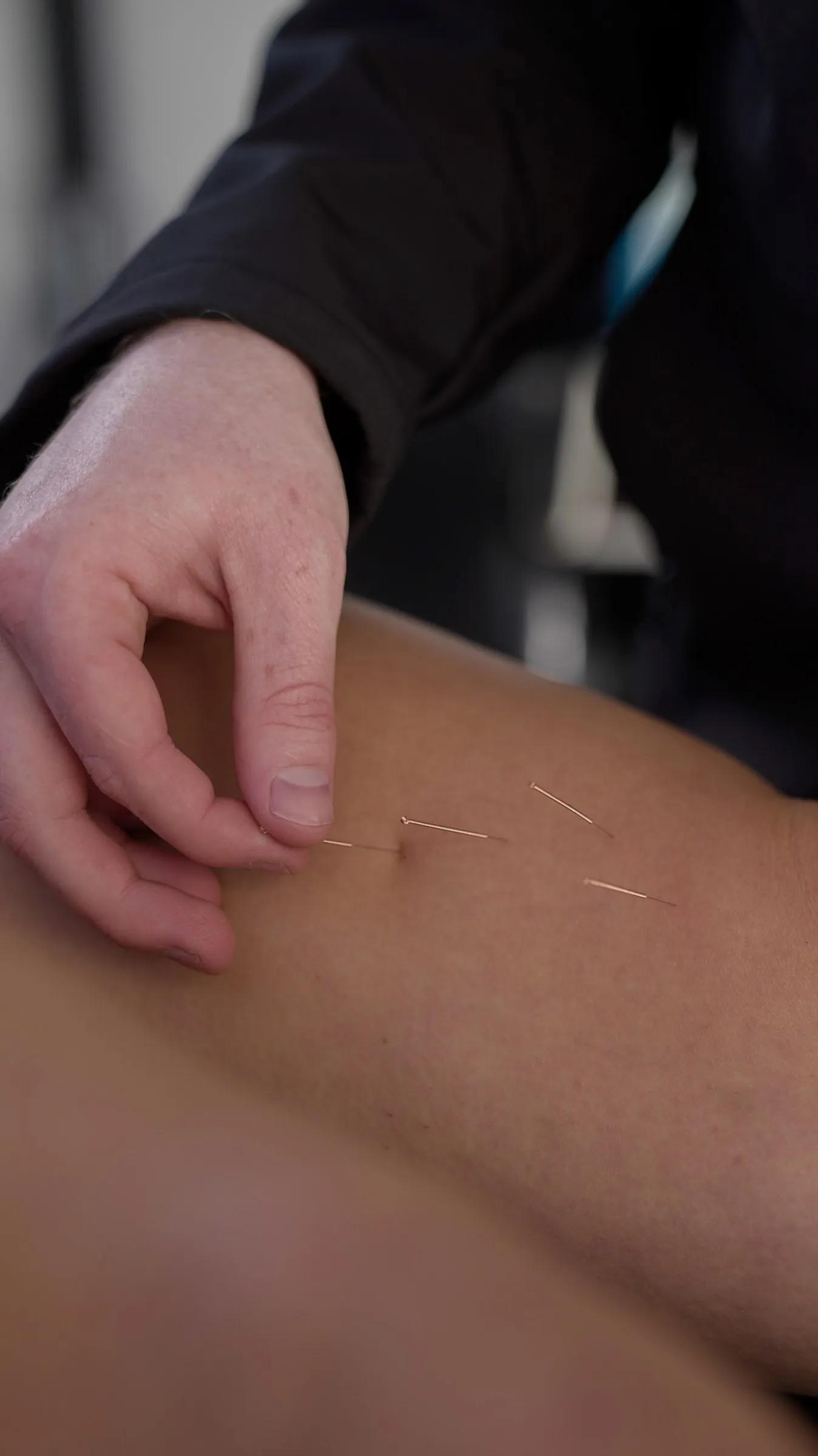
- Dry needling where appropriate, to help manage muscular tension and pain alongside active rehabilitation
What to expect: recovery timeline
- Mild impingement or acute overload: often improves within 6–8 weeks
- Rotator cuff tendinopathy: generally needs 3–6 months of consistent, progressive strengthening for lasting change — tendons adapt more slowly than muscles
- Frozen shoulder: a longer condition overall (12 months or more through its full course), with physiotherapy focused on managing each phase appropriately rather than forcing range too early
- Post-surgical rotator cuff repair: typically a structured 4–6 month rehabilitation program, guided by your surgeon’s specific protocol
When to seek help urgently
Most shoulder pain is safe to manage conservatively, but seek prompt medical assessment for a shoulder that appears visibly deformed after a fall, sudden inability to move the arm at all, or signs of infection (redness, fever, warmth) around the joint.