
Olympus Lifestyle Co

Service

Dry Needling

Targeted needling therapy to release muscle tension and trigger points, used as one part of a broader, active treatment plan.

Dry Needling at Olympus Lifestyle Co

Short-term

pain relief and improved range of motion is what current evidence best supports for dry needling — most effective alongside active rehab

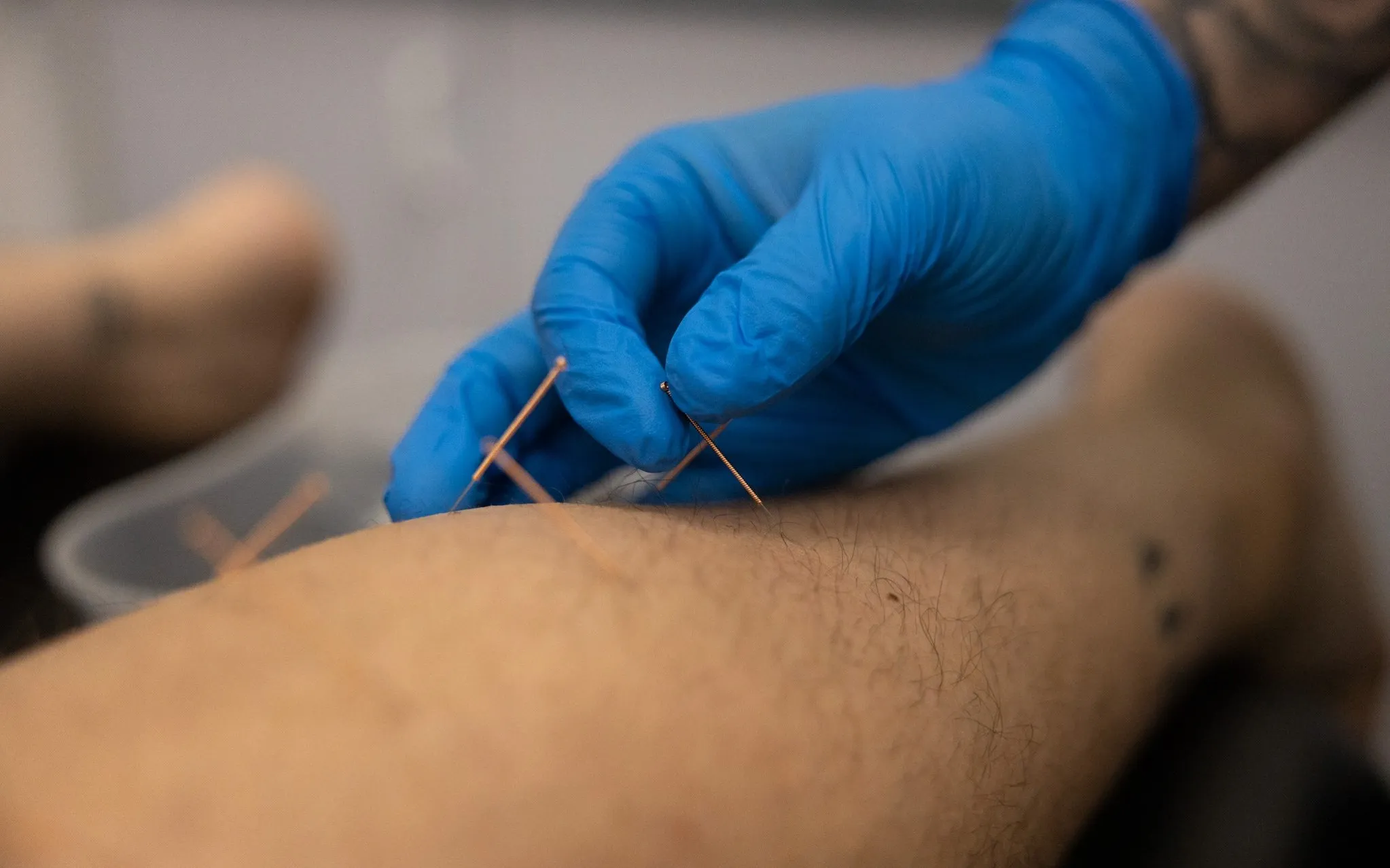
Dry needling is a targeted technique using thin filament needles to release tight muscles and trigger points that contribute to pain and restricted movement. At Olympus Lifestyle Co, it’s typically used as one tool within a broader, active treatment plan — not a standalone fix — because the evidence best supports it as an effective short-term adjunct to exercise-based rehabilitation, rather than a long-term solution on its own.

What the evidence shows

Systematic reviews of dry needling for myofascial trigger points show it’s effective in the short term for pain relief, increased range of motion, and improved quality of life when compared to no intervention or sham treatment. The evidence is strongest for immediate and short-term outcomes; longer-term benefit is less conclusive when dry needling is used in isolation, which is exactly why we combine it with active, progressive rehabilitation rather than relying on it alone.

When dry needling helps

  • Persistent muscle tightness and trigger points contributing to pain
  • Muscular tension limiting movement, training, or daily function
  • As an adjunct to manual therapy and exercise-based rehabilitation for conditions like neck pain, shoulder pain, and lower limb muscle tightness

What to expect

Your physiotherapist will explain exactly why dry needling is recommended for your specific presentation and how it fits into your overall recovery plan — it’s never used as a standalone treatment disconnected from your broader rehabilitation. A fine, single-use needle is inserted directly into the identified muscle trigger point, often producing a brief “twitch response” followed by a sense of release in the muscle. Mild post-treatment soreness, similar to a light workout, is common and typically settles within a day or so.

How it fits into your treatment plan

Dry needling is most often used alongside hands-on manual therapy and active exercise, particularly for conditions involving significant muscle tension or trigger points — such as neck and shoulder tightness, or tight hip and calf muscles contributing to lower limb pain. It’s rarely, if ever, recommended as your only treatment.

Q & A

Questions about Dry Needling

Does dry needling hurt?

Most people feel a mild, brief sensation or muscle twitch rather than significant pain. Any discomfort typically settles quickly, and your physiotherapist will check in throughout the treatment.

Is dry needling the same as acupuncture?

They use similar fine, filament needles, but dry needling is based on Western musculoskeletal and neurophysiological principles, targeting specific muscle trigger points rather than traditional acupuncture meridians.

How many sessions will I need?

This varies by individual and condition. Many people notice benefit after one to two sessions, typically used alongside manual therapy and exercise as part of a broader treatment plan — evidence supports dry needling most clearly as a short-term adjunct, not a standalone long-term fix.

What does the research actually say about dry needling?

Systematic reviews show dry needling is effective in the short term for pain relief, increased range of motion, and quality of life compared to no treatment or sham treatment. Evidence for longer-term benefit is less conclusive, which is why we use it as one tool within an active rehabilitation plan rather than a standalone treatment.

Will I bruise or feel sore after dry needling?

Mild, localised bruising or soreness is common and generally settles within a day or two, similar to how a muscle feels after a solid workout. It's a normal response, not a sign of harm, but let your physiotherapist know if soreness is significant or doesn't ease as expected.

Is dry needling safe?

Yes, when performed by a trained physiotherapist using single-use, sterile needles and appropriate technique. Side effects are typically mild and short-lived (soreness, minor bruising), and your physiotherapist will screen for any reason it may not be suitable for you, such as needle phobia or specific medical conditions.

Ready to move better?

Book your initial consultation with the Olympus Lifestyle Co team today.

Book an Appointment